
Fear The Old Blood: Bloodborne Ten Years Later
George Zemenides ’28
zemenidesgaf@lakeforest.edu
Staff Writer
“Bloodborne” emerged from the creative mind of Hidetaka Miyazaki and FromSoftware Inc. as a PlayStation 4 exclusive in 2015. It remains one of gaming history’s most unforgettable experiences: a masterpiece whose influence still courses through the veins of modern design.
To revisit it on its tenth anniversary is to return to Yharnam, a city that still feels as alive, mysterious and terrifying as it did a decade ago.
At its core, “Bloodborne” is a game about curiosity and consequence. You awaken as a hunter in a nightmarish hive besieged by plague, madness and beasts. There are no tutorials holding your hand, no quest markers or mini-maps.
Instead, the game teaches through death—each encounter, each ambush, each grotesque transformation urges you to learn, adapt and strike back. In a time when most games over-explain themselves, “Bloodborne” trusts its players to find meaning in suffering. That’s part of why it endures.
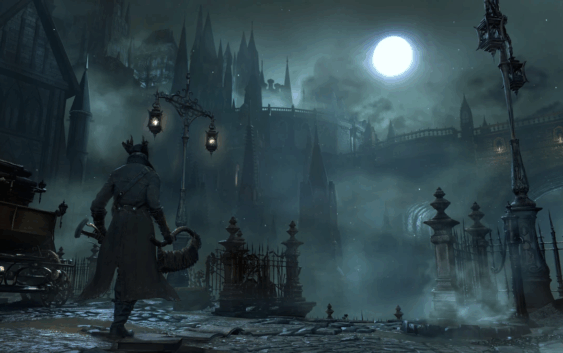
But that’s not all: the world design remains astonishing even by today’s standards. Yharnam is a labyrinth of spires and alleyways, its gothic architecture dripping with blood and history. Every street corner feels purposeful; every shortcut discovered feels earned. It’s a world that rewards attention, whispering its secrets through environmental cues—a toppled carriage here, a bloodstained altar there.
And as you descend from the cathedral district into the nightmarish outskirts, Bloodborne’s atmosphere tightens its grip. Few games have matched the oppressive beauty of this city, where flickering lamps cast long shadows and the ringing of a distant bell can spell your doom.
Combat, too, is a revelation. “Bloodborne” encourages ruthless aggression, with every fight a dance of timing and nerve. You parry with your firearm, transform your trick weapon mid-swing, regain health through counterattacks— it’s fast, brutal and perfect.
The game’s bosses remain masterclasses in design, testing your reflexes and your emotional endurance. A decade later, the system still feels fluid and satisfying, its aggression-rewarding mechanics shaping countless successors in the “soulslike” genre.
Yet Bloodborne’s power extends beyond its gameplay. Its narrative is a puzzle box of horror and human tragedy. The story is not told, but uncovered: through cryptic dialogue, item descriptions and chilling discoveries. The further you dig, the clearer it becomes that Yharnam’s beastly curse masks a deeper terror—one of gods, forbidden knowledge and human ambition gone mad.
If there’s a blemish on Bloodborne’s legacy, it’s its technical age. The game remains locked at 30 frames per second, its performance is uneven and its PlayStation exclusivity denies many players access. Fans have begged for a remaster or PC release for years, but Sony has remained silent.
Even so, these limitations hardly dull the experience. When you step into Yharnam, you forgive the stutters because what lies before you is pure brilliance—a nightmare too splendorous to abandon.
That adage holds. And whether you’re returning for the hundredth hunt or daring to step into your first playthrough, Bloodborne remains what it always was: a haunting reminder that even in the darkest worlds, beauty and terror are two sides of the same blade.
And remember: fear the old blood.